
The Global Climate Phenomenon and Market Chaos
The El Niño-Southern Oscillation (ENSO) cycle is one of the most influential global climate systems. This natural, periodic fluctuation in sea surface temperatures profoundly dictates weather patterns across the world. It causes severe droughts in some regions and destructive floods in others.
The true, tangible impact of this cycle is most acutely felt in the global agricultural sector. This sector remains utterly dependent on predictable rainfall and stable temperatures for successful harvests. The disruptions caused by the warm phase, El Niño, are direct economic catalysts.
These climate shifts instantly destabilize international markets for key food commodities. They drive up consumer prices worldwide, creating immense risk for both farmers and institutional investors. Understanding the link between warm Pacific waters and the price of staple crops is essential for navigating the global economy.
El Niño events typically occur every two to seven years. They significantly alter the global production map by severely impacting key commodity-producing regions. These production shocks ripple instantly through highly interconnected futures markets.
Decoding the El Niño Phenomenon
To grasp its economic impact, one must first understand what the El Niño-Southern Oscillation cycle is. We must also know how its warm phase, El Niño, fundamentally alters global weather.
A. The Mechanics of ENSO
The ENSO cycle is a complex interaction between the atmosphere and the ocean in the tropical Pacific. This interaction has two primary phases (warm and cool) and one neutral state.
A. Sea Surface Warming: El Niño is characterized by an abnormal warming of the sea surface temperatures. This warming occurs in the central and eastern equatorial Pacific Ocean. This specific warming is the defining feature of the El Niño phase.
B. Atmospheric Pressure Shift: This warm water shift disrupts the normal atmospheric circulation pattern, particularly the Walker Circulation. High pressure builds where low pressure usually prevails, redirecting global wind and rainfall patterns significantly.
C. La Niña Contrast: The opposing phase, La Niña, is characterized by an abnormal cooling of the same Pacific waters. La Niña tends to amplify the “normal” climate patterns. This often leads to weather effects that are the direct opposite of those seen during El Niño.
D. Teleconnections: The major changes in temperature and pressure over the Pacific create specific “teleconnections.” These are massive, remote atmospheric waves that carry the weather disturbances to distant, non-Pacific regions, including North America, Africa, and Asia.
B. El Niño’s Global Weather Footprint
The primary economic consequence of El Niño is the predictable, yet intense, disruption it causes. This disruption affects the critical growing seasons of major global food-producing regions.
A. Drought in Asia: El Niño often causes significant, severe droughts across large parts of Southeast Asia. This specifically affects Indonesia, Thailand, and the Philippines. This persistent dry spell severely impacts the yields of essential rice, sugar, and palm oil crops.
B. Dryness in Australia: It typically brings consistently drier-than-average conditions and an increased risk of devastating bushfires to Eastern Australia. This directly threatens the country’s major wheat, barley, and cattle industries, reducing export potential.
C. Wetness in South America: Conversely, El Niño frequently causes heavy, excessive rainfall and damaging flooding in the southern regions of Brazil and parts of Argentina. This can severely delay planting, disrupt the critical harvesting process, and degrade the overall quality of corn and soybean crops.
D. Disruption in Africa: It often contributes to substantially reduced rainfall in southern Africa. This puts severe stress on vital maize (corn) crops. This can lead to significant regional food security concerns and major price spikes across the continent.
The Direct Impact on Key Commodity Prices
The weather disruptions caused by El Niño translate directly into specific, acute supply shocks for sensitive agricultural commodities. These price impacts are often the most immediate and financially dramatic for traders.
A. Southeast Asian Staples (Palm Oil, Rice, Sugar)
These specific commodities are highly exposed because the regions where they are cultivated are reliably hit by El Niño-induced droughts and dryness.
A. Palm Oil Production Shock: Indonesia and Malaysia are the world’s two largest producers of palm oil globally. El Niño’s severe drought reduces the number of fresh fruit bunches harvested per plant. This leads to very tight supply and higher global prices for all cooking oils.
B. Rice Yield Decline: Key rice exporters like Thailand and Vietnam face severely reduced monsoon rains and resulting water scarcity. This water stress forces governments to curb irrigation and limit planting, which leads to major global price spikes in the critical rice futures market.
C. Sugar Cane Stress: The cane growing regions of Thailand, India, and Australia suffer severely under persistent dry conditions. Reduced soil moisture cuts the sugar content of the harvested cane. This leads to lower total sugar output and rallies global sugar prices sharply.
D. The Substitute Effect: Price spikes in highly exposed palm oil or sugar can quickly trigger a substitute effect across markets. Consumers or manufacturers switch to alternative products like soybean oil or corn syrup, causing a ripple effect across other, related commodity markets.
B. Americas Grains and Oilseeds (Corn, Soybeans)
The impacts on the Americas are often more complex than Asia, involving a mix of damaging wetness and strategic shifts in planting due to anticipated weather patterns.
A. Brazilian Soy Planting: While Northern Brazil might face some dryness, the crucial Southern growing regions often get destructive, excessive rain. This flooding can delay the crucial planting of soybeans, significantly disrupting the market’s supply schedule and introducing immediate price volatility.
B. Argentine Corn Quality: Heavy rainfall in Argentina during the critical corn maturation phases can severely degrade the quality of the harvested corn. This permanently reduces the total supply of high-grade feed grain, pushing corn futures prices decisively higher in anticipation of the shortfall.
C. U.S. Weather Volatility: El Niño’s influence on the U.S. is generally less direct but still financially significant. It often contributes to major shifts in the Atlantic hurricane season or drought conditions in the Southwest, which impacts U.S. wheat and cotton output.
D. The Inter-Market Spread: Professional traders constantly monitor the price relationship (the spread) between corn and soybeans. A weather event favoring one crop over the other in South America can cause sharp, profitable moves in this active spread trade.
Part III: Market Dynamics and Trading Strategies

The impact of El Niño is not just about the actual physical supply shock. It is heavily amplified by market speculation, inventory management, and forward-looking policy decisions by governments.
A. The Role of Futures and Speculation
Commodity futures markets act as a magnifying glass for risk. They amplify the anticipation of weather-induced scarcity long before the actual harvest is fully realized and counted.
A. Pricing in Risk: Futures contracts, which determine a price for delivery months into the future, immediately “price in” the anticipated risk of supply loss when El Niño is officially forecast. This forward-looking anticipation explains the instant price rallies seen after climate announcements.
B. Hedge Fund Activity: Large speculative funds often take massive long positions in commodities like rice or coffee futures upon official El Niño declarations. This speculative buying, based purely on climatic forecasts, drives the sharp, immediate price spike observed in the market.
C. Inventory Levels: The total global inventory level for any commodity acts as a buffer against shocks. If global stocks (like wheat) are already critically low, a forecast of poor yields due to El Niño will trigger a much sharper and more violent price rally, as the buffer is gone.
D. Backwardation Signal: When current (spot) prices for a commodity rise sharply above the future price, the market technically enters a state called backwardation. This strong pattern is a clear signal of immediate scarcity and is therefore highly bullish for that specific commodity.
B. Government and Policy Responses
Governments around the world often intervene directly in commodity markets in response to climate shocks. These sudden policy moves are themselves key drivers of international price volatility.
A. Export Restrictions: To ensure domestic food security and curb local inflation, governments of major exporting nations (like India for rice) often impose export restrictions or outright bans. These policy decisions immediately starve the global market, causing prices elsewhere to skyrocket.
B. Strategic Reserves Release: Governments may choose to release stored grains from their strategic reserves (like China’s massive corn and soybean stocks). This action is designed to temporarily suppress domestic prices but has a subsequent calming effect on global markets as supply is added back.
C. Incentivizing Production: Policy incentives, such as providing subsidies or high guaranteed prices for farmers, are used to encourage expanded planting in regions less severely affected by the weather pattern. This is primarily a long-term strategy to rebuild global supply over the next season.
D. Insurance and Risk Transfer: The cost of crop insurance premiums rises dramatically in regions expected to be severely hit by the adverse weather event. This unavoidable, increased operational cost for farmers eventually gets passed down the supply chain, inevitably contributing to higher final consumer prices.
Long-Term Implications and Mitigation
While El Niño is a cyclical event, its increasing intensity, coupled with climate change, suggests that its future economic impact will become more frequent and more severe in the long run.
A. Climate Change Amplification
There is growing scientific consensus and evidence suggesting that global warming is consistently intensifying the extremes of the entire ENSO cycle. This means that the droughts become demonstrably hotter and the floods become much more destructive.
A. Increased Frequency of Extremes: Climate change models suggest a possible long-term trend toward more frequent and more intense swings between the extreme El Niño and La Niña phases. This translates directly into prolonged periods of heightened commodity price volatility.
B. Shifting Growing Seasons: The fundamental, permanent shift in global temperature is forcing farmers worldwide to alter traditional, time-tested planting and harvesting schedules. This introduces new, unprecedented climate-related risks that are not yet fully modeled into current futures prices.
C. Water Scarcity as Asset Risk: For many key agricultural regions, the persistent, cyclical threat of El Niño fundamentally deepens the underlying issue of long-term water scarcity. Water access becomes a critical, non-negotiable factor in assessing the future risk profile of a commodity.
D. Investment in Resilience: The only effective long-term response requires massive, systematic investment in climate-resilient agriculture across all regions. This includes urgently developing drought-resistant seed varieties, modernizing inefficient irrigation systems, and proactively building geographically diversified supply chains.
B. Mitigation Strategies for Consumers and Investors
Both consumers and professional investors must fundamentally adapt their strategies to account for the increasing frequency and severity of climate-driven commodity price shocks across the globe.
A. Consumer Budgeting: Households should financially anticipate and actively budget for periods of heightened food price inflation, particularly for highly exposed staples like rice, coffee, and specific cooking oils. This proactive planning significantly mitigates the financial shock of sudden price spikes.
B. Investor Hedging: Agricultural businesses can strategically use commodity futures and options contracts to hedge their future input costs. They can lock in a price now to protect against an inevitable spike later caused by a forecast of an adverse weather event.
C. Diversification Across Regions: Investors should diversify their holdings across agricultural assets in different geographic regions with low climate correlation. For example, they can balance investments in South American soybeans with North American corn.
D. The Soft Commodity Focus: Professional traders should maintain a particular focus on soft commodities (coffee, sugar, cocoa). These are often grown in the most climatically vulnerable tropical regions. These specific goods tend to exhibit the most volatile price response to all major ENSO events.
Conclusion
The El Niño-Southern Oscillation cycle is a massive natural force that acts as a profound and direct disruptor of the global agricultural supply chain.
Its warm phase, El Niño, creates predictable yet intense weather anomalies, ranging from devastating droughts in Asia to destructive flooding in parts of South America.
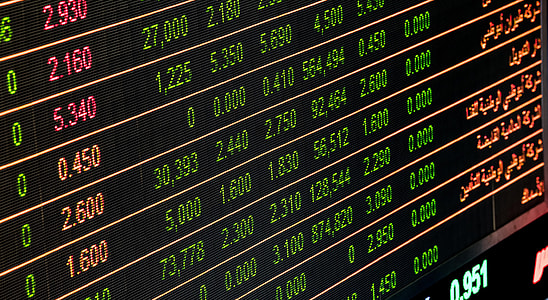
These climate-induced production shocks translate immediately into acute, sharp price volatility across the sensitive international commodity futures markets.
Key commodities like palm oil, rice, and sugar are fundamentally exposed, with price spikes often triggered merely by the official forecast of adverse weather.
The market impact is significantly amplified by the anticipatory buying activities of large speculative funds.
It is also amplified by the protectionist export policies of major food-producing nations aiming to secure domestic supply.
For global economic stability and household budgeting, the increasing intensity of these climate-driven events necessitates constant monitoring and the implementation of sophisticated mitigation strategies.
Ultimately, understanding the ENSO cycle is now absolutely indispensable for both risk management and fundamental analysis in today’s increasingly volatile and deeply interconnected food economy.