
Taming the Wild West: The Necessity of Risk Management
The world of digital asset investing often promises exponential returns. Assets like Bitcoin and Ethereum frequently experience price swings of 10% or more in a single day. This inherent volatility attracts ambitious investors seeking rapid capital appreciation.
However, high reward is always inextricably linked to commensurately high risk. A disciplined and comprehensive risk management strategy is not merely an optional best practice. It is the absolute prerequisite for long-term survival and sustainable success in the crypto market.
Without a robust framework, even a few bad decisions can swiftly wipe out years of accumulated gains. This often leads to emotional stress and poor impulsive trading. Effective risk management involves a multi-faceted approach, encompassing security and strategic position sizing.
This disciplined framework acts as a protective shield, allowing the investor to remain calm and rational during periods of extreme price turbulence. By replacing emotionally driven speculation with rule-based, calculated processes, investors can systematically control their exposure to downside risk.
The Foundation – Security and Storage Risks
The very first layer of risk management in crypto involves protecting the assets themselves. This protects them from external threats and technological failure. Unlike traditional bank accounts, there is no centralized recovery mechanism for lost or stolen digital assets.
A. Securing the Assets (Custody)
The ultimate responsibility for security falls entirely on the individual investor. Proper custody is paramount and directly impacts the risk of total loss of funds.
A. Private Key Control: Digital assets are entirely controlled by a private key, a unique string of characters. Losing this critical key results in the permanent loss of all funds, making its security the investor’s single most critical task.
B. Hardware Wallets (Cold Storage): The safest available method of storage is a hardware wallet, often correctly called cold storage. These physical devices securely store private keys offline, safely away from all internet-connected threats and malware.
C. Hot Wallets and Exchanges: Hot wallets (software constantly connected to the internet) and keeping funds on a centralized exchange are convenient but significantly increase security risk. They should only be used for small amounts of capital actively involved in frequent trading.
D. Seed Phrase Backup: The 12-to-24-word seed phrase is the master key for the entire wallet. This phrase must be securely backed up offline, usually written down, and never digitally stored or photographed on any device.
B. Exchange and Platform Risks
Using centralized exchanges (CEXs) introduces a specific set of risks related to the platform itself. These risks involve the exchange’s stability, security, and financial integrity. These specific risks must be actively managed by the user.
A. Counterparty Risk: This is the inherent risk that the exchange itself may suddenly fail, become technically insolvent, or be severely hacked by criminals. Historically, several major exchanges have collapsed completely, leading to permanent losses for their unsuspecting users.
B. Regulatory Risk: Exchanges operate under constantly evolving regulatory scrutiny from governments worldwide. Sudden changes in official government policy can suddenly freeze accounts or severely restrict trading access, making funds temporarily or permanently inaccessible.
C. Withdrawal Limits: During periods of extreme volatility or high bank runs, exchanges may temporarily halt or severely limit the withdrawal of client funds. This action traps the investor’s vital capital at the most critical time they need it.
D. Two-Factor Authentication (2FA): Always rigorously enable 2FA on all exchange and wallet accounts used. Using a dedicated authentication app (like Authy or Google Authenticator), rather than vulnerable SMS, provides a much stronger layer of protection for the funds.
Quantitative Risk Management Techniques
Beyond basic security, effective risk management involves measurable, statistical techniques to control the actual financial exposure to the market’s high price volatility. These essential techniques are all based on disciplined, pre-defined rules and processes.
A. Position Sizing and Allocation
The most fundamental and important rule of risk management is controlling how much capital is strategically allocated to any single asset or to the crypto market as a whole. This crucial control is formally known as position sizing.
A. The Total Portfolio Allocation: Investors should first determine what percentage of their entire net worth should be exposed to the high-risk, volatile crypto asset class. This allocation percentage should typically be very small (e.g., 1% to 5%) based strictly on the investor’s overall personal risk tolerance.
B. Single Asset Limit: Within the defined crypto allocation, no single cryptocurrency should be allowed to dominate the portfolio excessively. Establishing a maximum limit (e.g., 50% of crypto capital) for the largest single holding successfully prevents dangerous over-concentration risk.
C. Risk Budgeting: Investors should only invest capital that they are genuinely mentally and financially prepared to lose entirely. They must be able to do this without significantly altering their financial future or current lifestyle. This mental discipline is absolutely crucial for maintaining emotional stability during market crashes.
D. Volatility Adjustment: Position sizes must be dynamically adjusted based on the specific asset’s historical volatility. A high-volatility, low-market-cap “altcoin” should receive a significantly smaller allocation than highly stable Bitcoin or Ethereum.
B. Dollar-Cost Averaging (DCA)
DCA is a simple, highly effective, and extremely popular strategy designed to mitigate the psychological and financial risk. It prevents the catastrophic outcome of buying at the market’s absolute peak price.
A. Systematic Investing: DCA involves investing a fixed, predetermined amount of money into an asset at regularly scheduled intervals (e.g., weekly or monthly). This consistent, automated schedule removes all emotional timing and speculation from the investment process entirely.
B. Mitigating Peak Risk: By consistently investing over an extended period of time, the investor’s average purchase price is successfully spread out. This prevents the catastrophic outcome of a large, single lump-sum investment being made right before a major, sharp market crash.
C. Long-Term Focus: DCA forces the investor to consciously adopt a strict long-term perspective, successfully ignoring short-term daily price fluctuations. It transforms volatility, normally considered a risk, into a regular opportunity to buy assets at a discount over time.
D. Automated Execution: The financial effectiveness of DCA is maximized when the investments are fully automated and pre-scheduled. Setting up an automatic weekly buy order entirely eliminates the psychological temptation to try and foolishly “time the bottom” of the market.
Strategic Portfolio Diversification
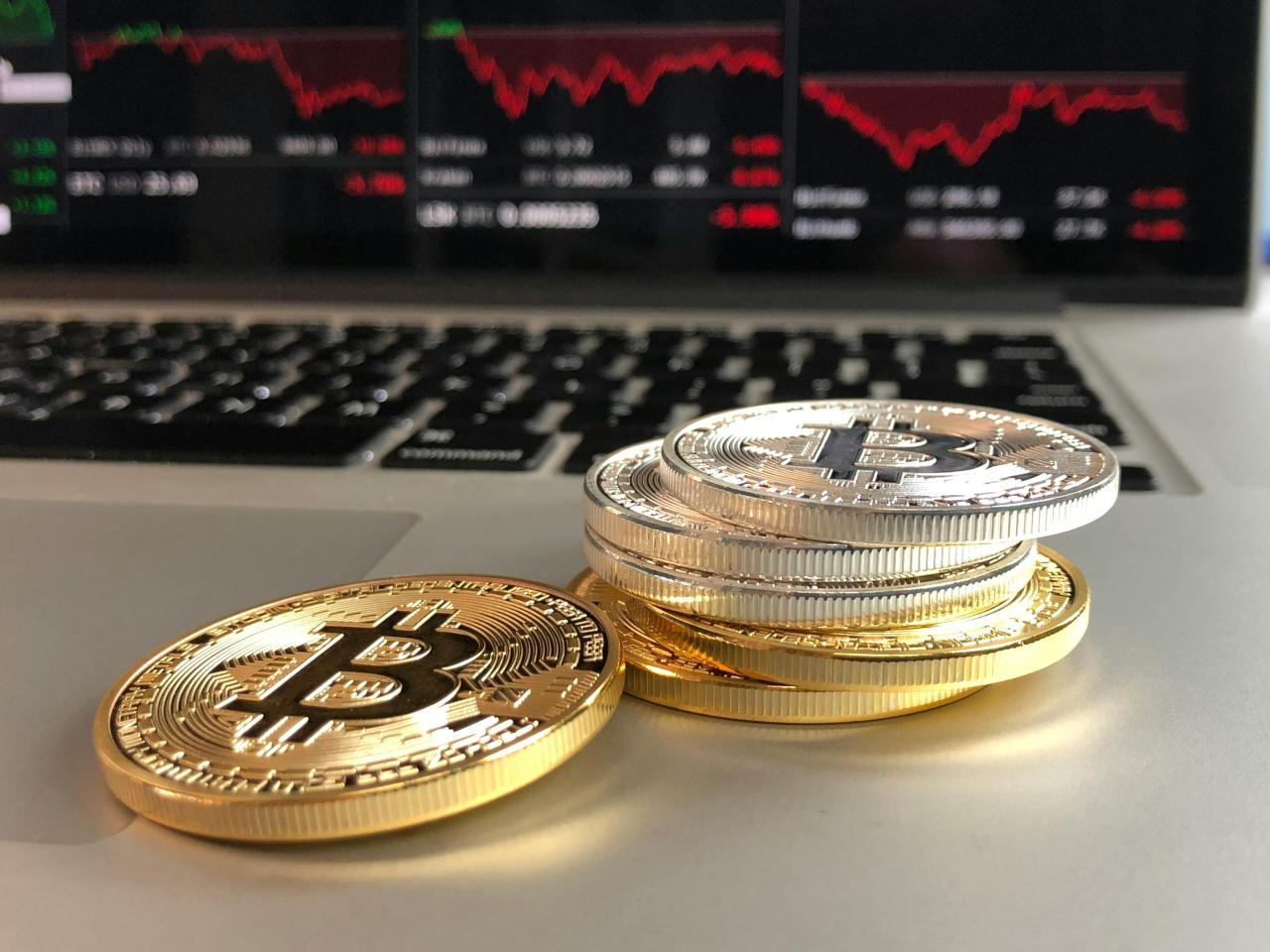
Diversification, the process of spreading investments across different assets, is often called the only “free lunch” in finance. In crypto, it mitigates the high risk specific to a single blockchain project’s complete failure.
A. Horizontal Diversification (Across Assets)
Diversification in crypto means not just owning different assets, but owning assets with different roles, distinct technologies, and varying correlation profiles.
A. Layer 1 vs. Layer 2: Diversify your holdings across core Layer 1 base blockchains (like Bitcoin and Ethereum) and promising Layer 2 scaling solutions (like Arbitrum or Polygon). This strategically hedges against fundamental architectural risks in the underlying technology.
B. Stablecoins: Hold a significant portion of the crypto portfolio in highly secure, reputable stablecoins (like USDC or DAI). Stablecoins provide a highly liquid, non-volatile reserve that can be quickly deployed to buy during major market crashes.
C. Sectoral Diversification: Strategically spread investments across different application sectors, such as Decentralized Finance (DeFi), Non-Fungible Tokens (NFTs), Gaming, and Infrastructure tokens. This hedges effectively against sector-specific regulatory or technical obsolescence risk.
D. The Dominance Rule: Given their established network effects and market leadership, Bitcoin and Ethereum should typically form the largest, most foundational and stable portion of any well-diversified crypto portfolio today.
B. Vertical Diversification (Beyond Crypto)
True, comprehensive risk management requires diversification that extends far outside the crypto ecosystem entirely. This crucial step reduces the high risk that a catastrophic crash in crypto affects the investor’s entire financial life.
A. Traditional Assets: The high-risk crypto allocation must be carefully balanced by significant holdings in much lower-risk traditional assets like stocks, bonds, and real estate. These traditional assets historically maintain a low or even negative correlation with the crypto market.
B. Cash Reserves: Maintain substantial, easily accessible cash reserves in a high-yield savings account or short-term Treasury bills. This highly liquid “dry powder” is vital for meeting unexpected living expenses and aggressively buying opportunities during extreme market dislocations.
C. Global Markets: Diversify the overall investment portfolio globally, owning non-U.S. stocks and international bonds as well. This strategically hedges against domestic economic or regulatory risks that could primarily affect U.S.-based crypto holdings and investments.
Behavioral and Exit Strategy Management
The most dangerous, unpredictable factor in crypto investing is often the investor’s own unchecked behavior and psychology. Managing raw emotions and having a clear plan for taking profits are essential final risk controls.
A. Managing Emotional Volatility
The rapid, dramatic swings in crypto prices are psychologically designed to trigger intense fear (FUD) and greed (FOMO) in investors. Controlling these powerful, destructive impulses is the final, most difficult layer of risk management to master.
A. The Written Plan: Every single investment must be made with a clear, written investment thesis and an equally clear, written set of rules for both taking eventual profit and quickly cutting losses. Sticking rigidly to this formal, written plan eliminates all emotional reactions.
B. The HODL Trap: Be keenly aware of the potentially destructive HODL (Hold On for Dear Life) mentality. This mentality often turns into an irrational unwillingness to sell assets even when the original investment thesis has clearly failed or profits have reached massive, life-changing levels.
C. Avoid Leverage: For all but the most experienced, highly professional traders, leverage trading must be avoided completely and strictly. Leverage dangerously amplifies both gains and losses, drastically increasing the unacceptable risk of immediate portfolio liquidation.
D. Media Diet: Strictly limit your daily consumption of short-term news, speculative social media chatter, and highly emotional price prediction videos. These sources are often specifically designed to manipulate emotions and drive impulsive, losing trading decisions.
B. Establishing a Clear Exit Strategy
A crucial part of mitigating financial risk is having a definitive, pre-planned strategy for when and how to convert volatile crypto gains back into stable, usable fiat currency or less volatile assets.
A. Profit Targets (Scaling Out): Define specific, non-negotiable profit targets (e.g., selling 20% of the position when it hits a 3x return). Systematically selling in small, pre-defined increments drastically reduces the risk of watching massive paper gains vanish overnight.
B. Loss Limits (Stop-Losses): Define a maximum acceptable loss for every single investment position (e.g., selling automatically if the asset falls 30% from the purchase price). Strict loss limits prevent small losses from dangerously compounding into catastrophic failures.
C. The Goal Conversion: Use the crypto market as an effective tool to achieve specific, real-world financial goals (e.g., down payment on a house, fully funding a retirement account). Once the goal amount is reached, immediately convert the necessary crypto back into fiat currency.
D. Rebalancing: Periodically review the entire portfolio (e.g., quarterly or annually). If the crypto allocation has grown significantly beyond the initial risk tolerance (e.g., from 5% to 20%), sell the excess to rebalance back to the initial, target allocation. This process forces automated profit-taking.
Conclusion

Navigating the volatile world of digital asset investment demands an institutional level of discipline.
It requires a robust, multi-layered framework specifically designed for continuous risk management.
The first and most critical line of defense is implementing stringent security measures to protect private keys and custody.
Effective financial risk control relies heavily on quantitative rules, primarily controlling position sizing.
It also means systematically employing dollar-cost averaging to eliminate emotional timing risks entirely.
Portfolio resilience is deliberately built through broad horizontal diversification across different crypto sectors.
It is also achieved through vital vertical diversification into traditional assets that maintain a low correlation with the crypto market.
The most dangerous, unpredictable element remains the investor’s own psychology; managing fear and greed is paramount for long-term, sustainable success.
Establishing clear, non-negotiable rules for both scaling out of profitable positions and implementing strict loss limits is an essential, proactive form of continuous risk mitigation.
By consciously replacing emotional speculation with calculated, rules-based, and disciplined strategies, investors can successfully tame the inherent volatility of the crypto market.